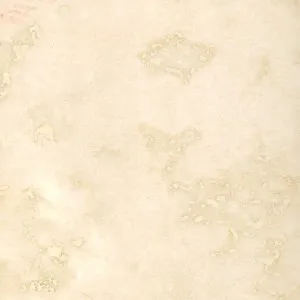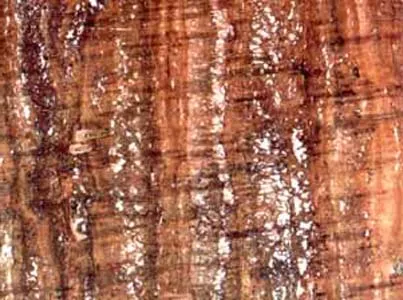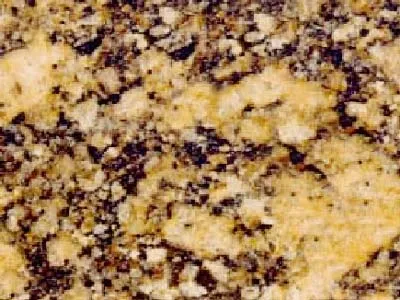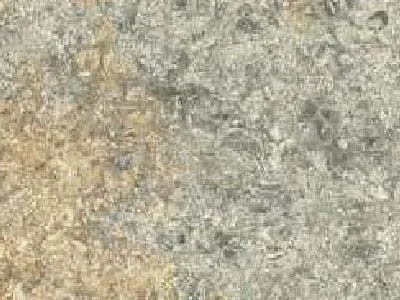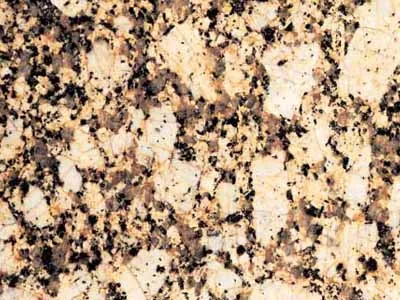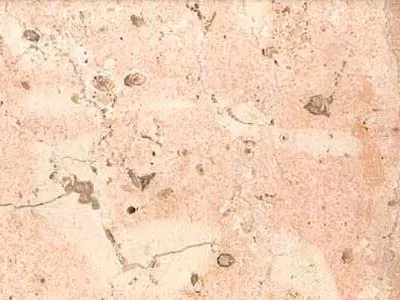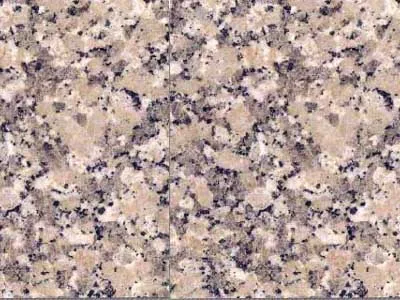
Travertino is a premium travertine sourced from Portugal, known for its warm brown hues and subtle veining that adds depth to any space. The stone features a fine-grained, porous texture that lends itself to both classic and contemporary designs. Travertino is ideal for flooring, wall cladding, countertops, and outdoor applications such as patios and pool surrounds. It responds beautifully to polished, honed, and brushed finishes, each revealing the stone’s natural character. Marmi di Carrara supplies Travertino in ready‑to‑use blocks and 2–3 cm slabs, offers custom cut‑to‑size services, and provides high‑resolution photos of actual slabs before purchase, ensuring transparency and confidence for architects, designers, and buyers.
Petrographic description
Brownish calcareous tufa, concretionary. Biomicrite – sparite (Calcareous tufa).
Travertino is a Travertine quarried in Portugal, catalogued in the Marmi di Carrara atlas under the international reference ICPTTR00018. Its dominant tone is brown.
Like every travertine, it is supplied as raw blocks, gangsaw slabs in 2 and 3 cm and cut-to-size pieces made in our Carrara plants. Recommended finishes: honed filled, polished filled, unfilled brushed, tumbled. Typical applications: floors, façades, pool decks, wall cladding, classic and contemporary interiors.
Availability varies with the quarry campaigns: before quoting we check current stock, block sizes and the selection grade, and we send photos of the actual slabs. Price and transport are confirmed by our technical office within one working day.
Travertine: the complete guide
Overview
Travertine is the stone of Rome: warm, porous, with its characteristic natural cavities. Used from the Colosseum to contemporary projects, it is ideal inside and outside the home.
History and origin
The most famous travertine is quarried at Tivoli, near Rome: the Romans called it "lapis tiburtinus" and used it for the Colosseum; centuries later it was used for the colonnade of St Peter's. It forms from calcium carbonate deposited by spring water, hence the typical cavities. Today there are travertines from many origins. Marmi di Carrara supplies it on request.
Appearance
A beige, hazel or ivory background with cavities and parallel veins. Vein-cut it shows stripes; cross-cut it looks cloudy. The cavities can be filled (with grout or resin) or left open.
Uses
Indoor and outdoor floors, façades, stairs, pool surrounds, bathrooms and cladding. A brushed or tumbled finish with filled cavities is the most used in homes.
Care and maintenance
Neutral detergents and water for routine cleaning; no acids or aggressive de-icing salts. Outdoors a water-repellent limits dirt, moss and absorption; indoors a stain-proof sealer protects tops and floors. The surface can be re-honed over time.
- Classification
- Travertine (sedimentary limestone)
- Density
- about 2,400–2,600 kg/m³ (indicative)
- Mohs hardness
- about 3
- Water absorption
- medium: porous
- Main use
- interiors and exteriors
- Acid resistance
- low
FAQ
Is Travertino suitable for outdoor use?
Travertine: traditional for façades and pool decks, filled or unfilled. Tell us the climate and exposure of the project and we will recommend the right finish and thickness.
What is the price of Travertino per m²?
Indicative price from €100/m² for polished 2 cm slabs ex works Carrara, VAT excluded. The final figure depends on selection, block size, finish and quantity; a personalised quote is free.
How is Travertino shipped from Italy?
Slabs travel in wooden A-frames inside 20-foot containers (about 25 tonnes); blocks ship loose or in open-top containers. We quote FOB, CIF or door-to-door to any port or site.